Designing a project management tool for Accenture

Accenture's project teams coordinate people, resources and activities across complex engagements. This case focuses on an internal management tool intended to make that work easier to plan and follow.

Problem statement

Project managers, team members and stakeholders needed different views of the same work. I used research, an expert review and workflow analysis to identify where navigation and resource planning created friction, then translated those findings into design recommendations for the tool.

  • Date

    Jun 2021

  • Client Name

    Accenture

  • Tools

    Figma


Research

Research-led design recommendations

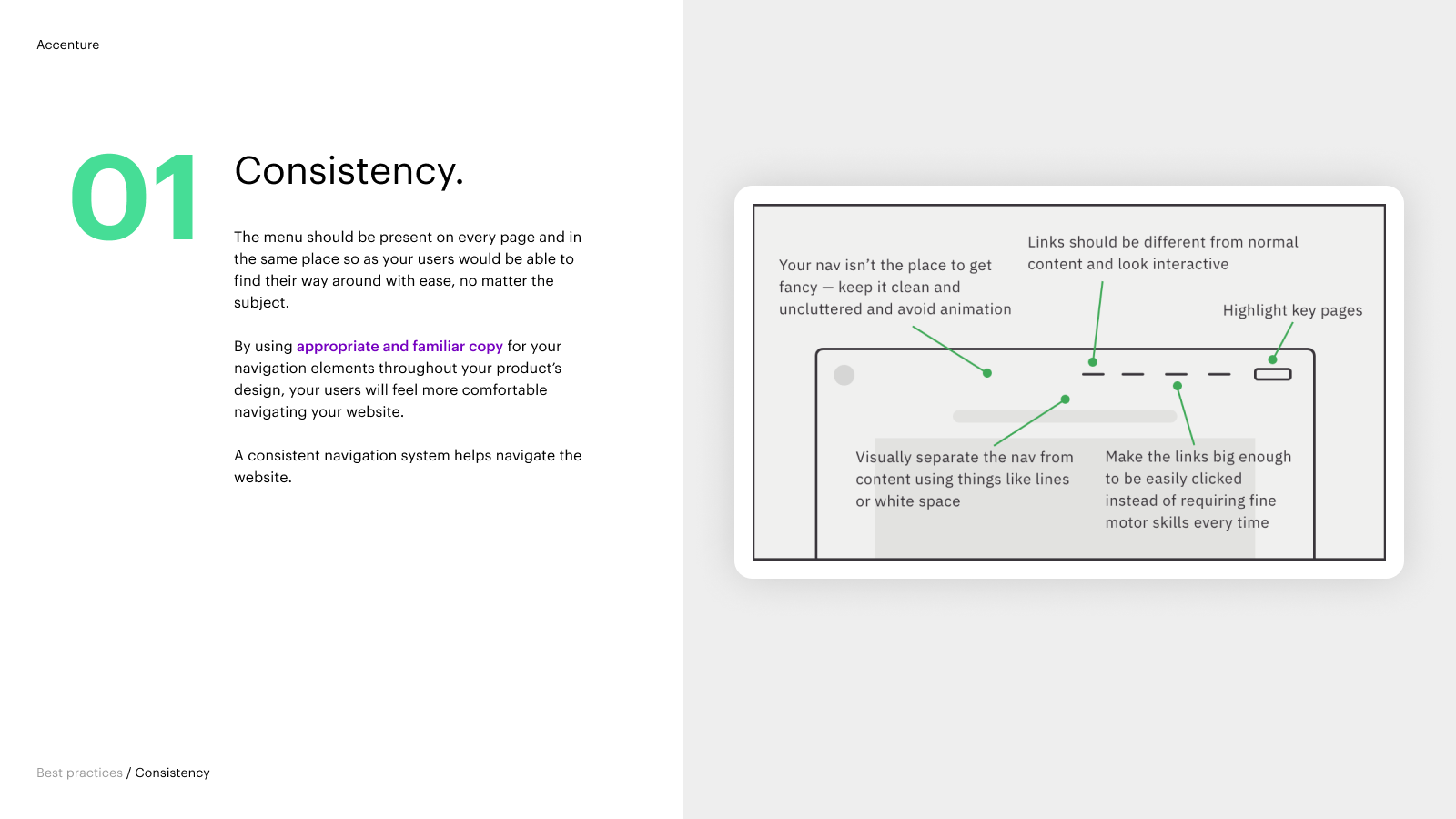
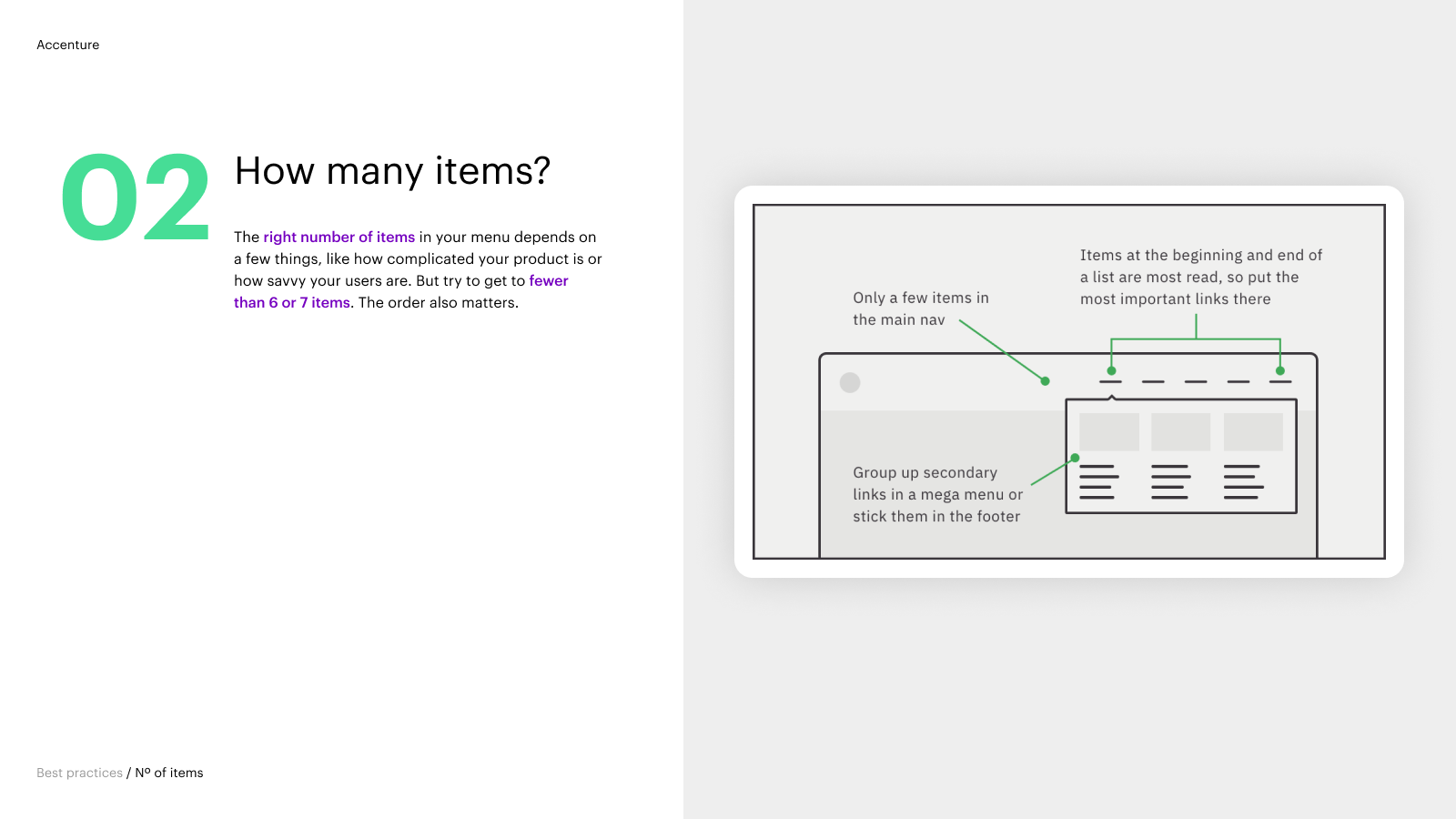
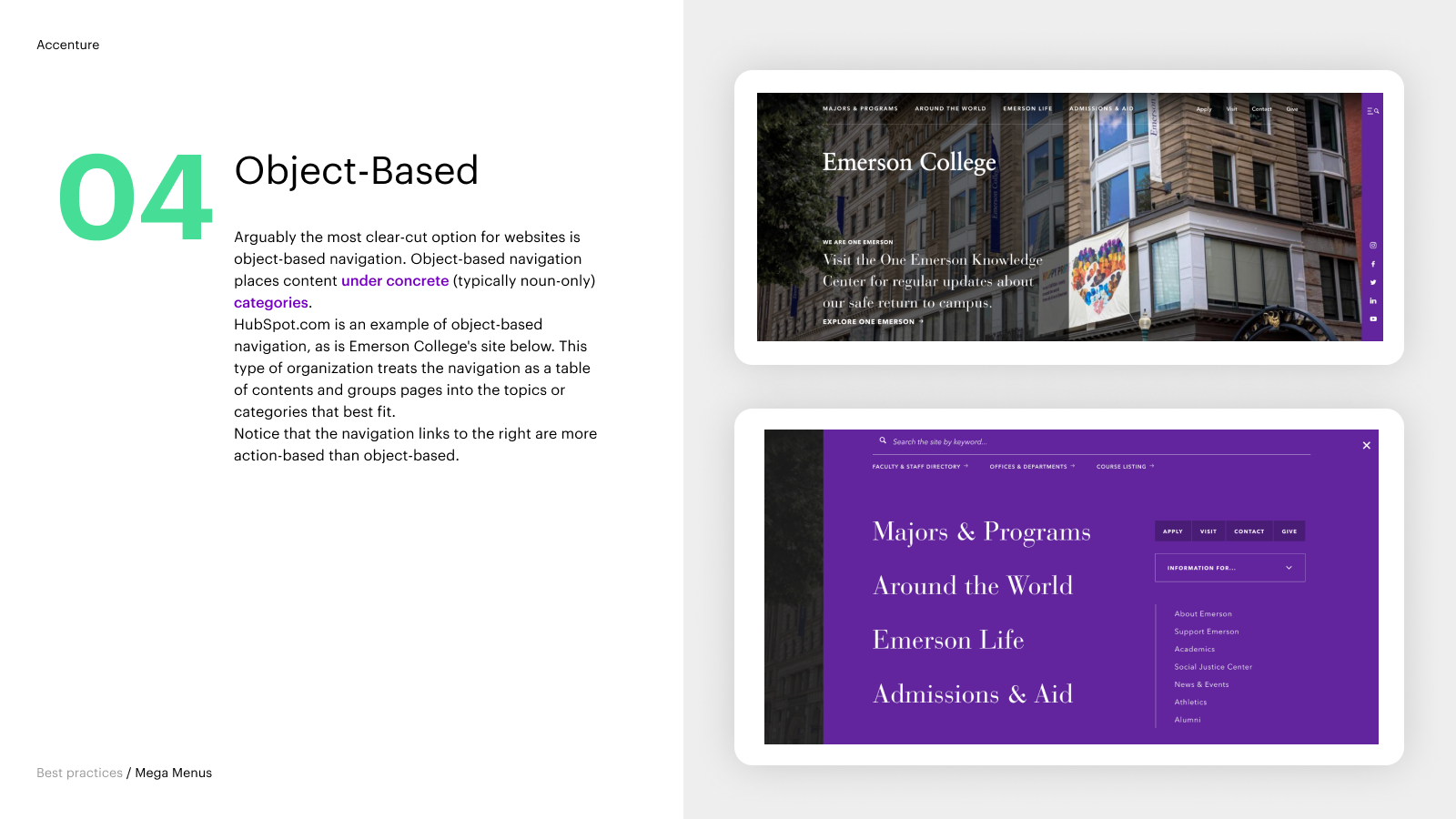
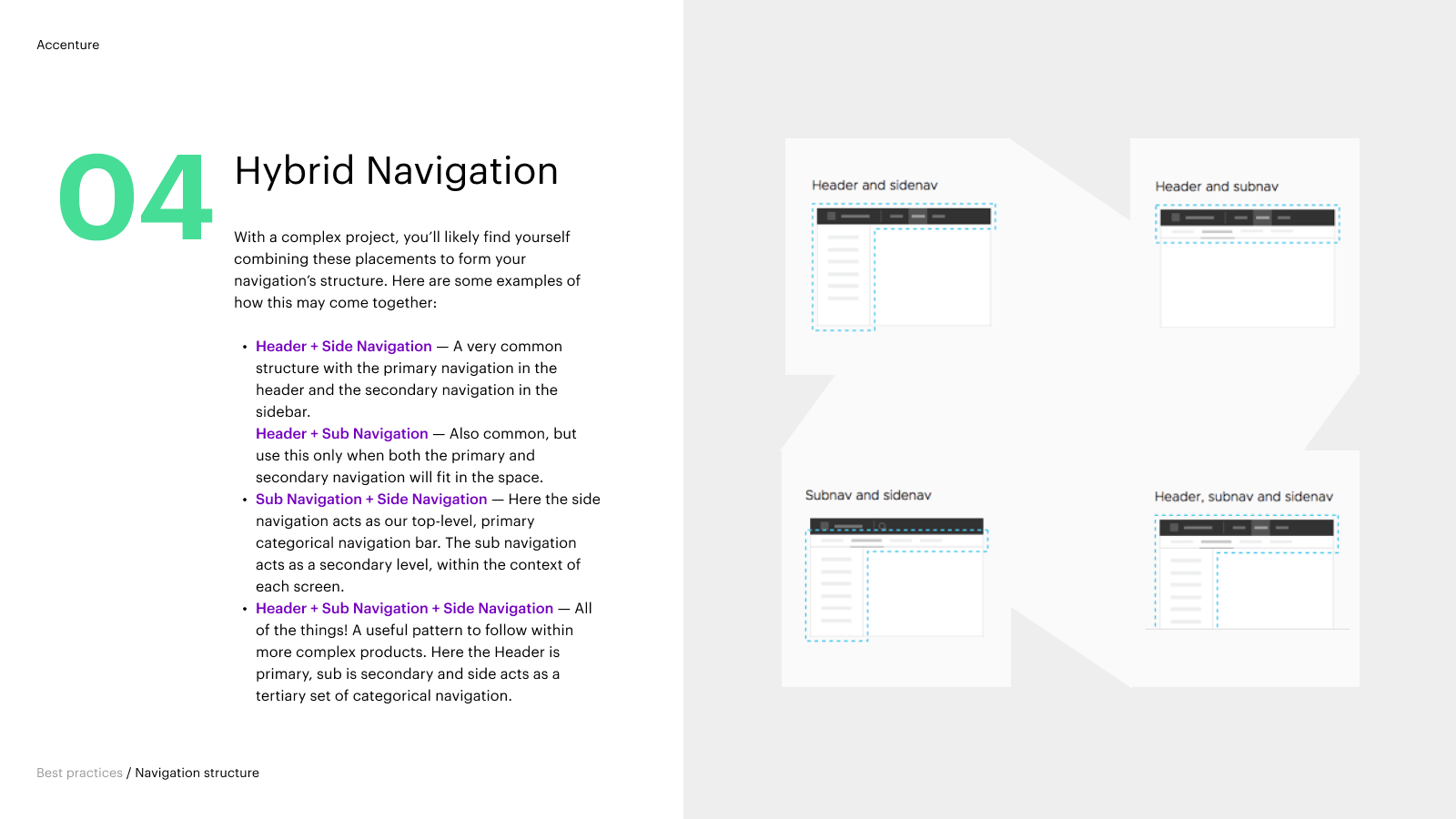
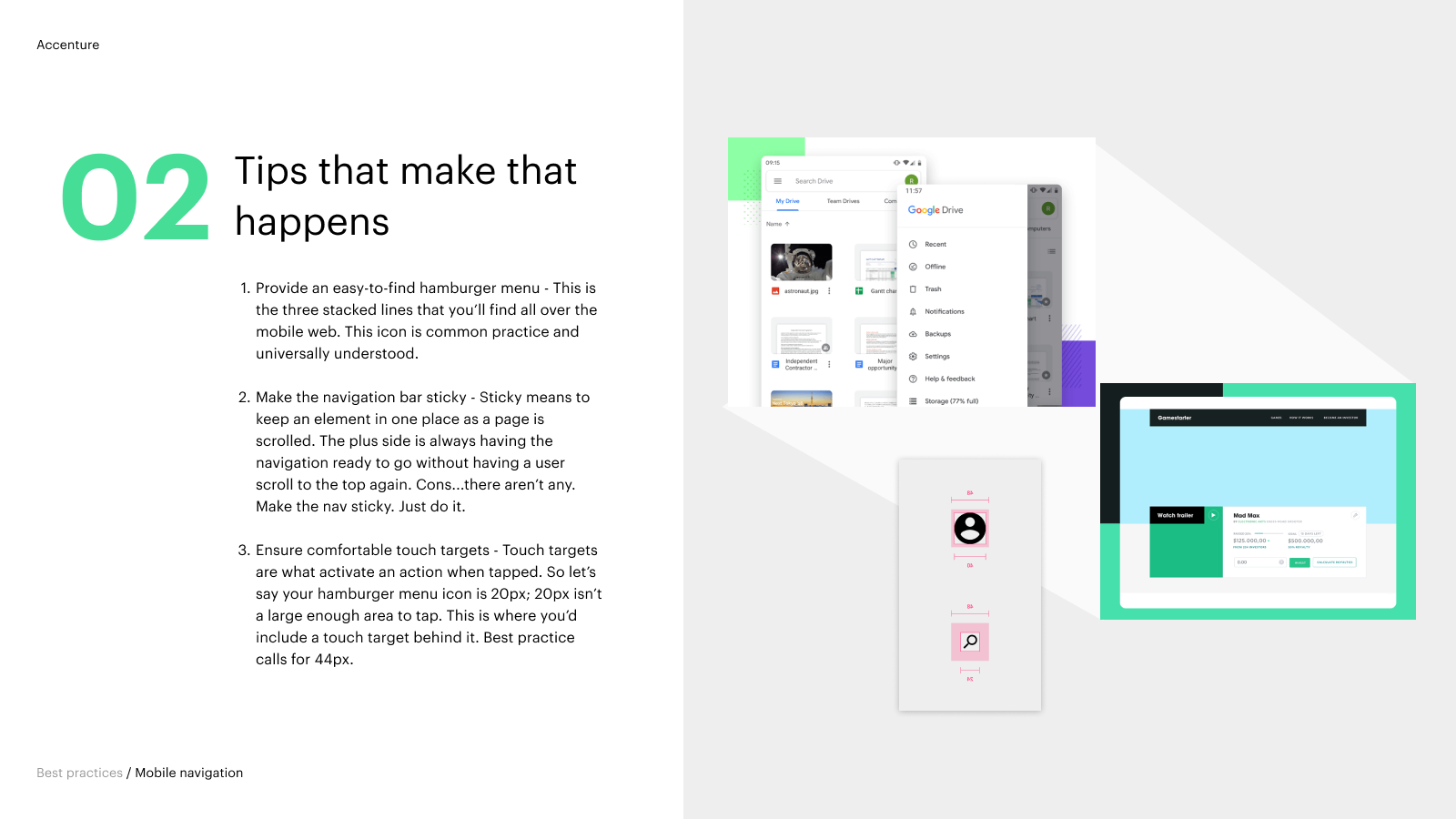
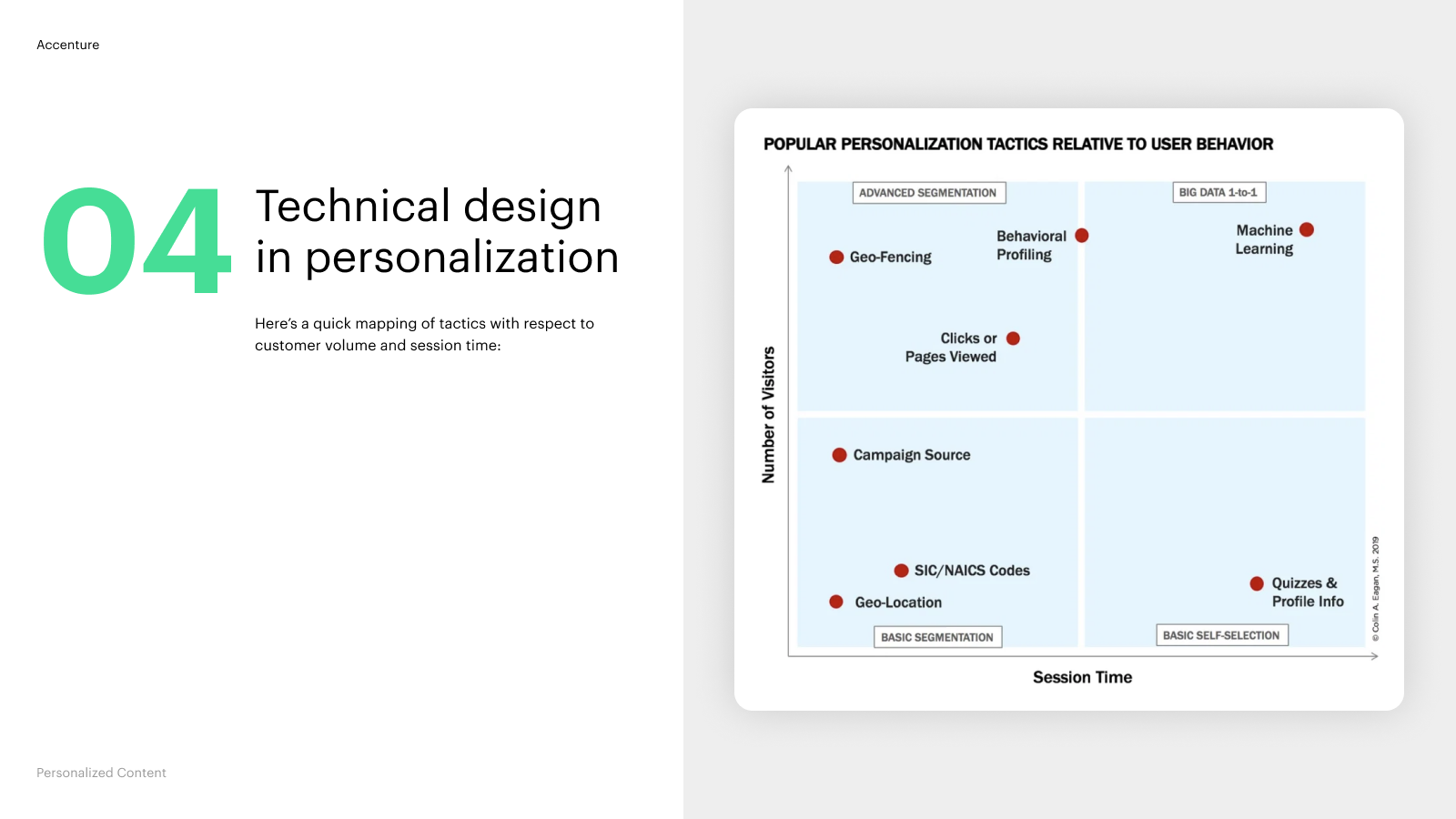
I reviewed comparable products and established interaction patterns for Personalization, Search and Navigation. The reports connected each recommendation to a specific workflow problem, giving the team a basis for prioritizing interface changes.


UI Design

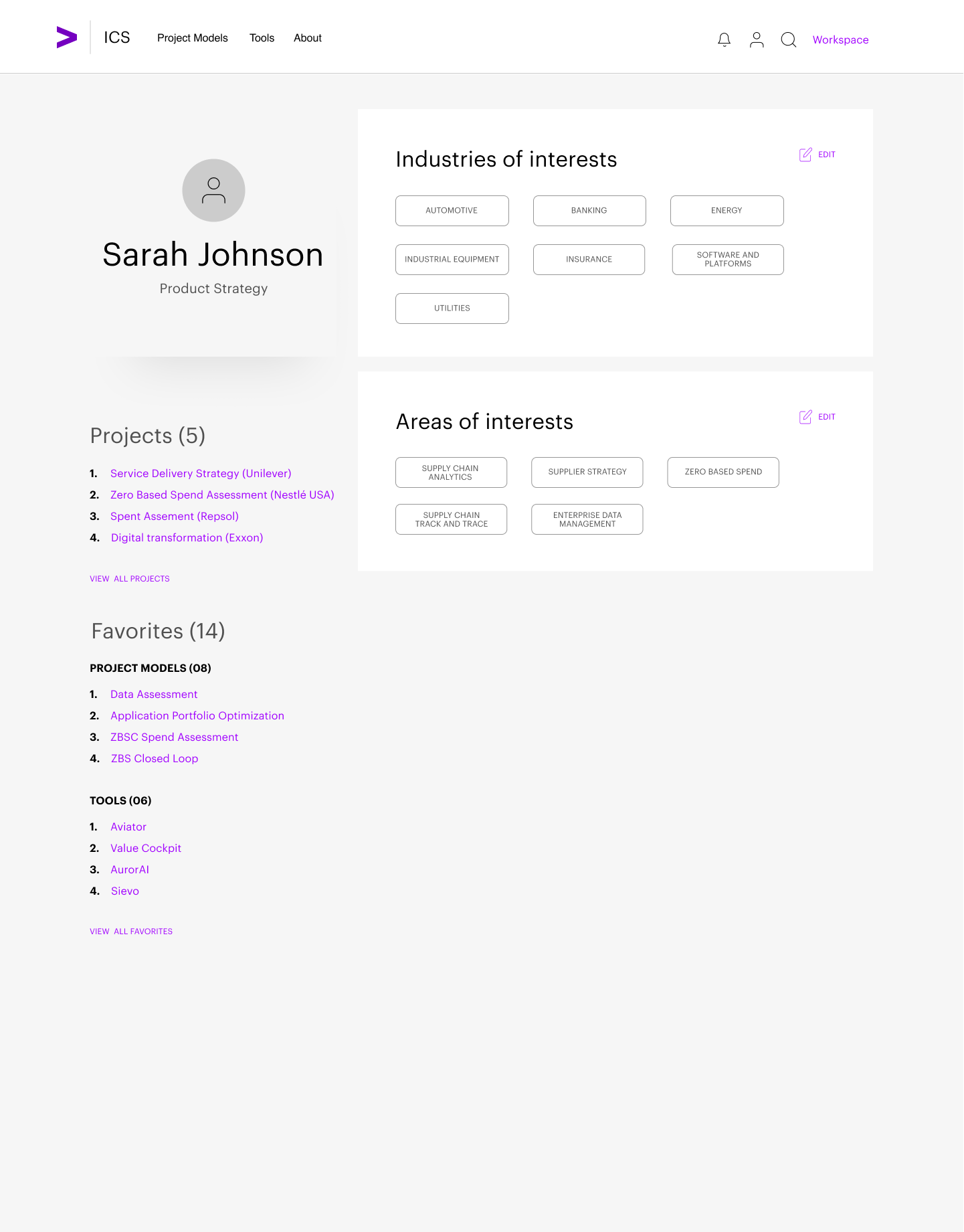
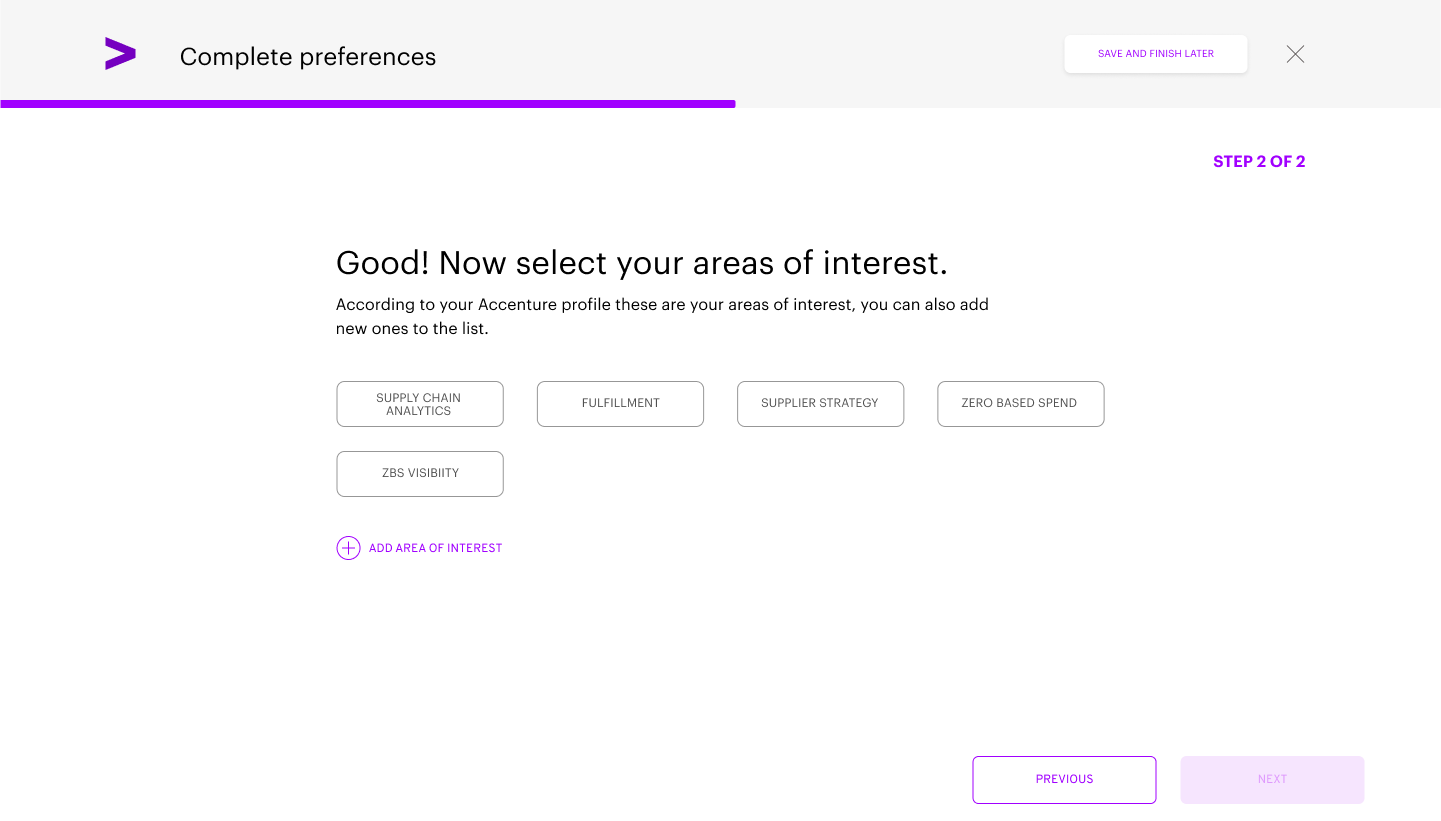
Home personalization

After reviewing the research findings, the team moved into the redesign of the home page around personalized content.

The objective was to make the experience more relevant to users while supporting engagement and customer retention. I focused on translating personalization principles into practical interface patterns that could be incorporated into the product experience.


UI Design

Activity Model

The Activity Model was designed to give project managers a clearer way to organize project activities, manage resources, and make decisions in a fast-paced environment. The experience combined structured workflows, reusable templates and project data to reduce manual effort and improve visibility across teams.

  • Filtering options:
    Improved information retrieval by allowing PMs to narrow project data by parameters, team members, timelines and other relevant criteria, reducing information overload.
  • Data-informed recommendations:
    Used information from successful previous projects to surface relevant patterns and help PMs make more informed decisions when planning team activities.
  • Tailored templates:
    Provided reusable templates for common project-management scenarios, from sprint planning to task allocation, helping PMs structure activities more efficiently.
  • Enhanced collaboration:
    Supported team coordination through clearer task assignments, progress updates and milestone notifications, improving transparency across project teams.

Final Results

I worked on improving the usability of a project management tool tailored to product managers. The approach combined UX research, UX best-practice analysis, expert review, information architecture, wireframing and prototyping to identify friction and shape practical design improvements.

The research highlighted workflow bottlenecks and opportunities to simplify navigation and access to key project information. I translated these findings into design recommendations and worked with designers, developers and product managers to refine the proposed experience.

Expert reviews provided an additional perspective on usability and alignment with established UX patterns. This helped validate design decisions and identify areas where the experience could be clearer and more efficient for project managers.

The proposed direction brought project activities, resources and supporting information into clearer workflows. It also gave the team a documented basis for the next design and development iterations.