Investigating friction in HSBC's B2B KYC onboarding

Onboarding a business at HSBC involves verifying company information, reviewing documentation and assessing risk through Know Your Customer (KYC) and Customer Due Diligence (CDD) checks. These checks support fraud prevention and compliance, but the process also needs to be understandable for the companies providing information and the analysts reviewing it.

From January to March 2022, I worked as a UX consultant on a research engagement to inform a clearer B2B KYC onboarding flow. My work focused on reviewing the existing journey, identifying friction and validating assumptions before recommending changes. The deliverable was a research report with actionable improvements, supported by workflow mapping, an expert review and an illustrative interface proposal.

Problem statement

The onboarding journey connected company information, internal review tasks, compliance checklists and requests for additional information. Within the Appian-based CDD platform, analysts had to navigate dense screens and lengthy forms to understand a case and determine the next action. I investigated where the process added avoidable effort, with the aim of improving clarity without weakening the checks required for business onboarding.

  • Date

    January - March 2022

  • Client Name

    HSBC

  • Tools

    Figma


Research

From onboarding assumptions to actionable recommendations

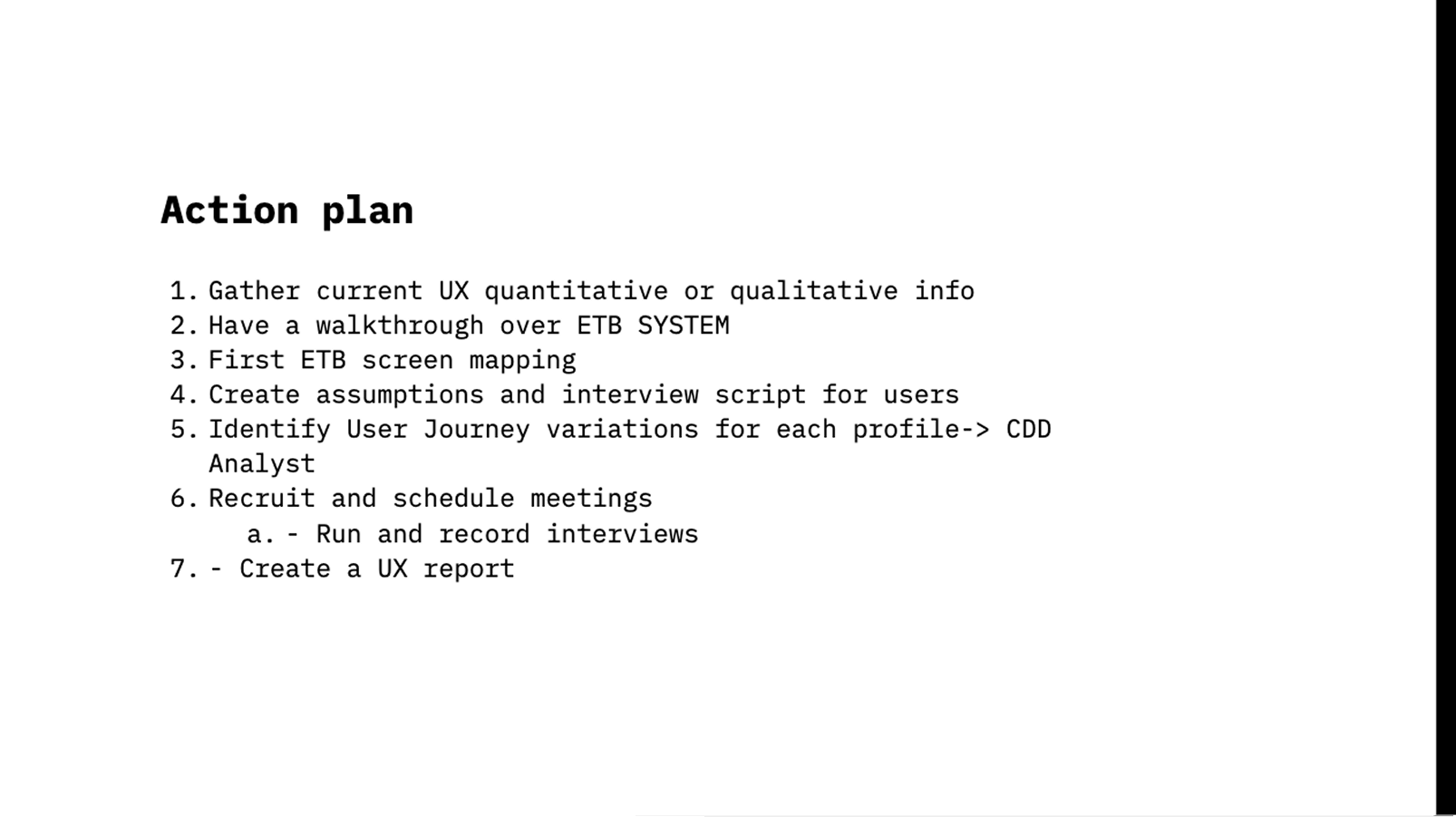
The research examined how corporate onboarding worked across Case preparation, Compliance review and Client outreach. The aim was to understand the friction behind each step and give the team a concrete basis for improving the KYC flow.

I mapped the existing journey and the CDD analyst's critical path: selecting a task, reviewing customer records and documents, assessing changes, confirming data and requesting information from the client. This made it possible to examine the connection between the internal review experience and the effort required from the business being onboarded.

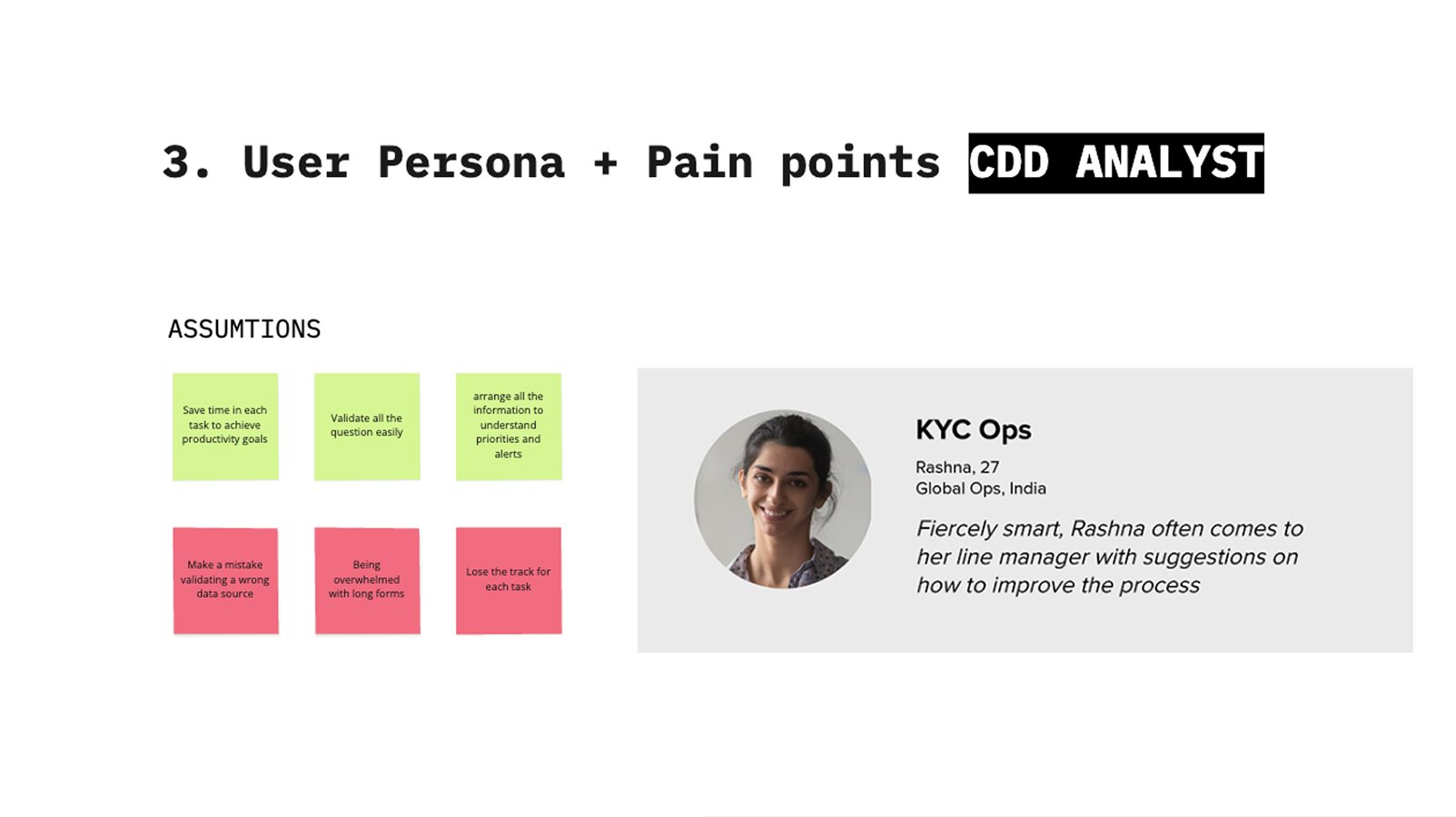
The research used assumptions about task tracking, validation effort and form complexity to structure the investigation. I prepared questions about the hardest steps, the clarity of task status, time spent reviewing information and problems during client outreach. The engagement focused on testing these assumptions and translating the findings into improvement items for the onboarding report.

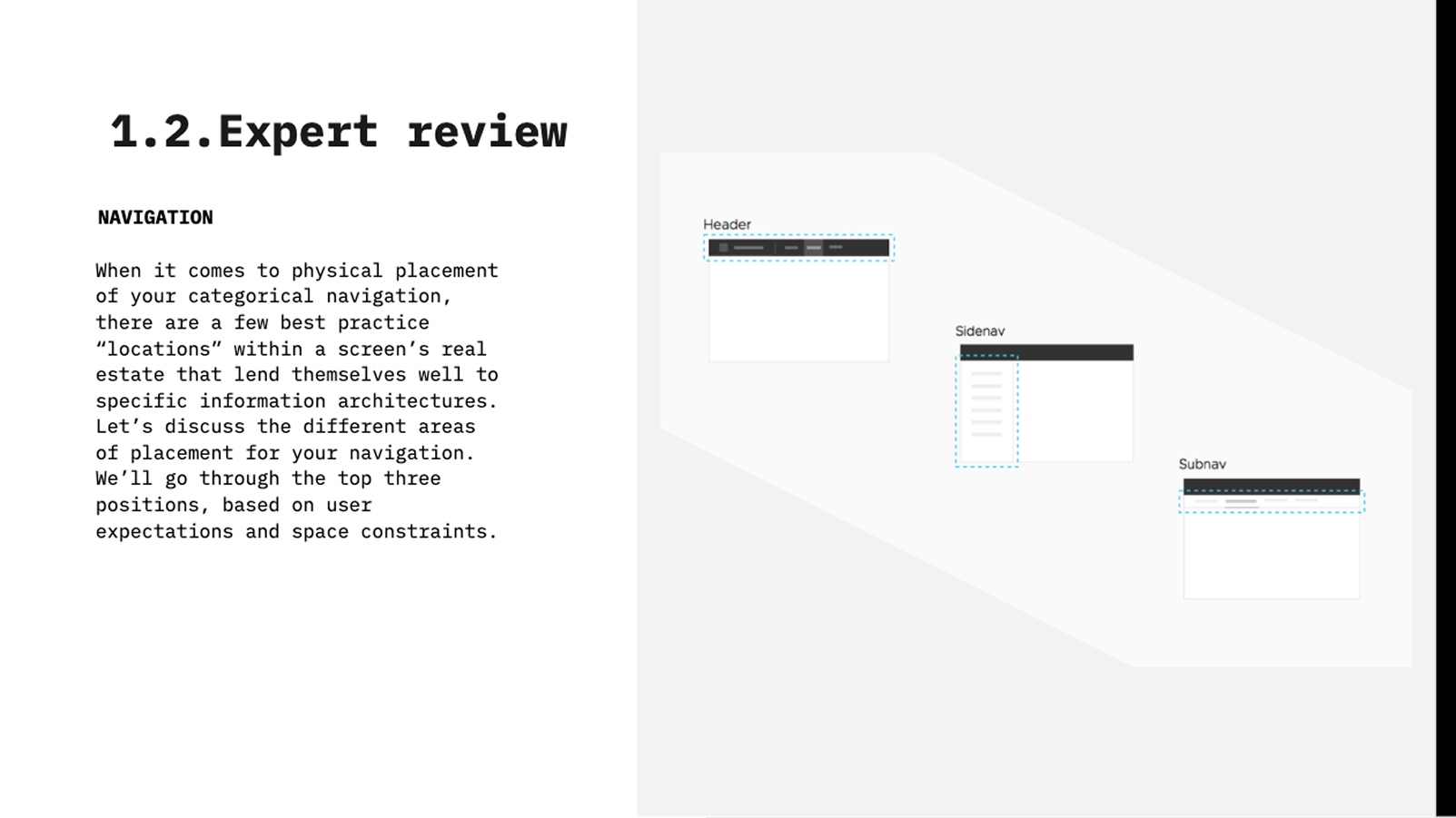
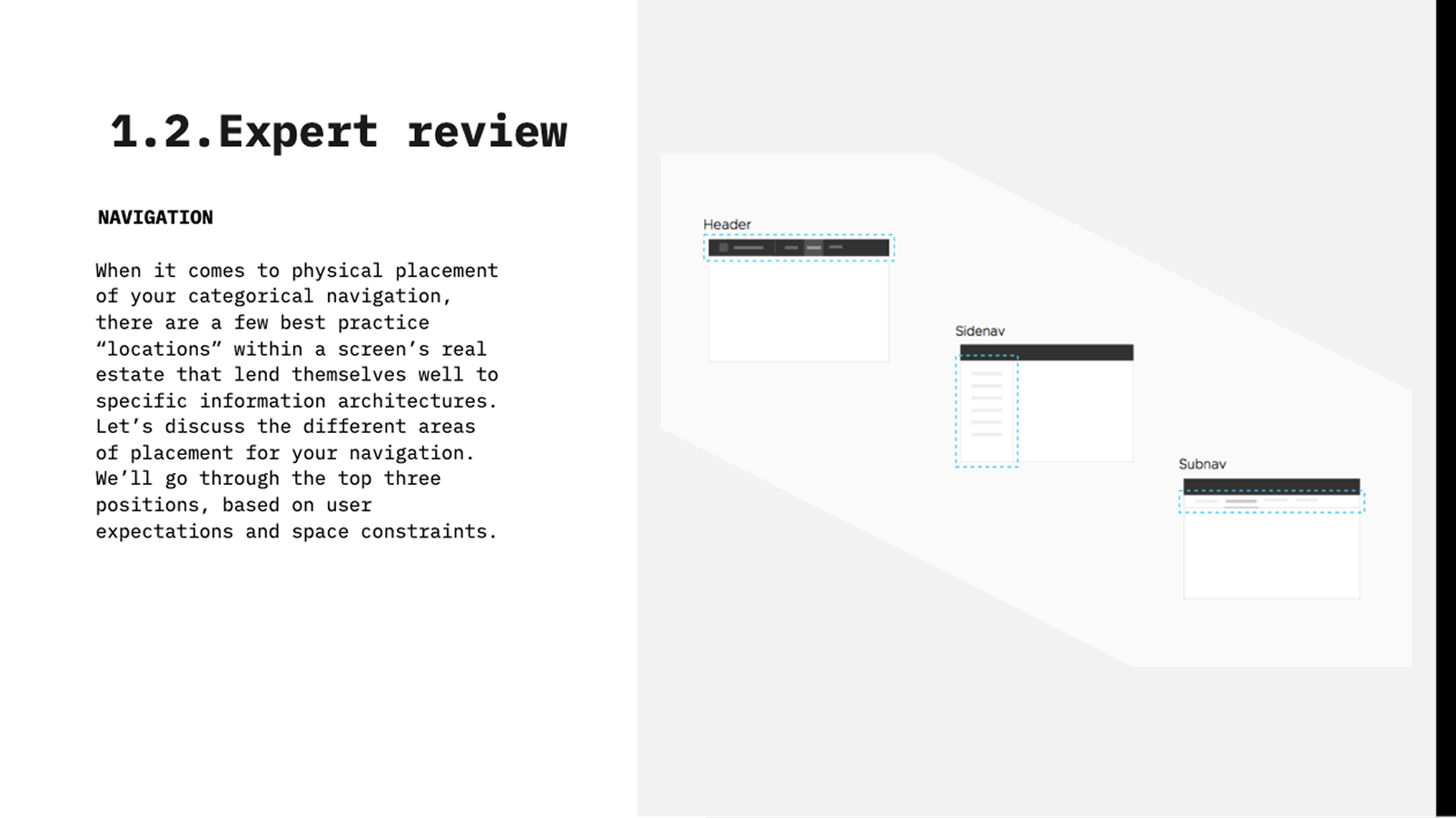
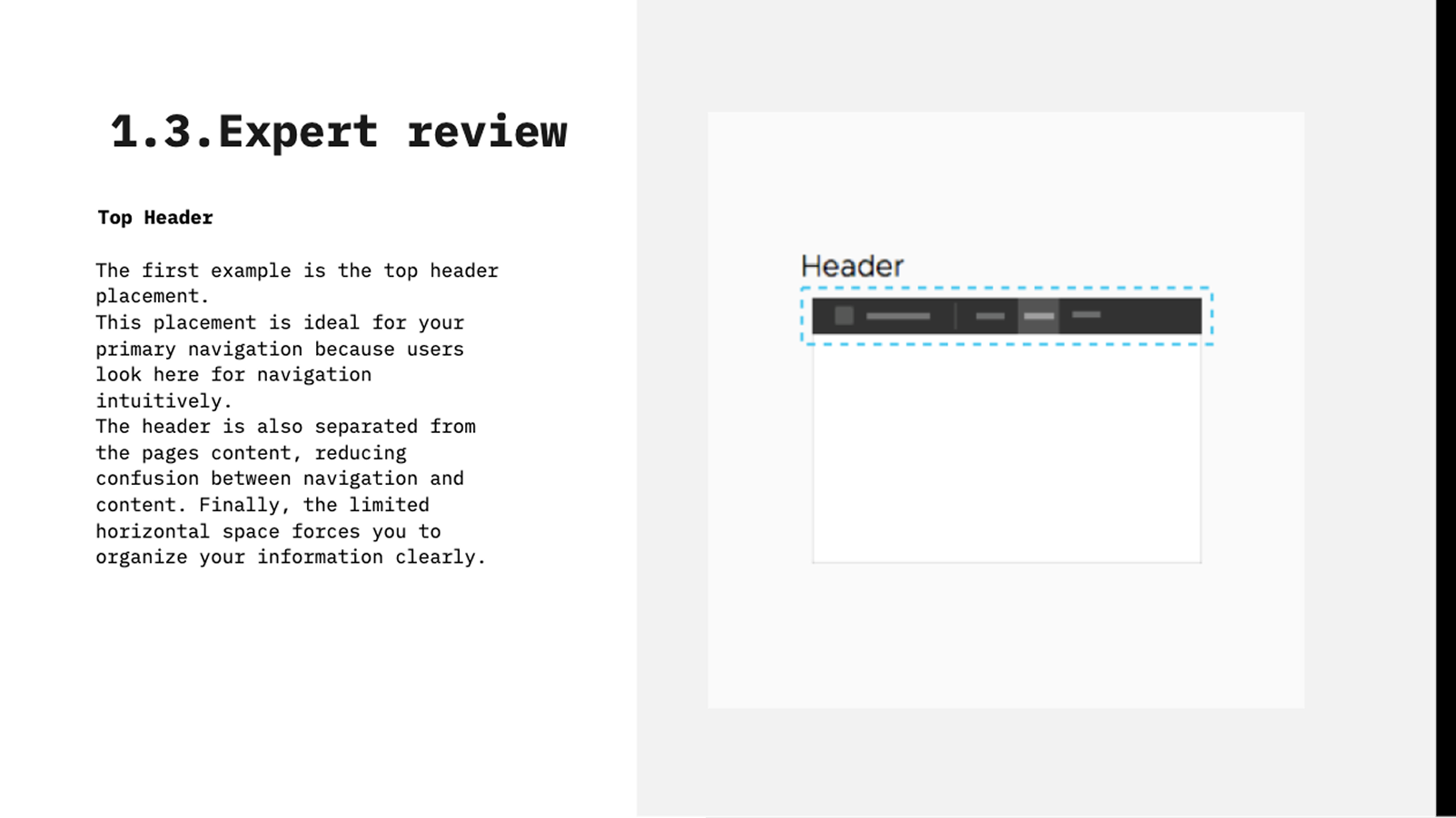
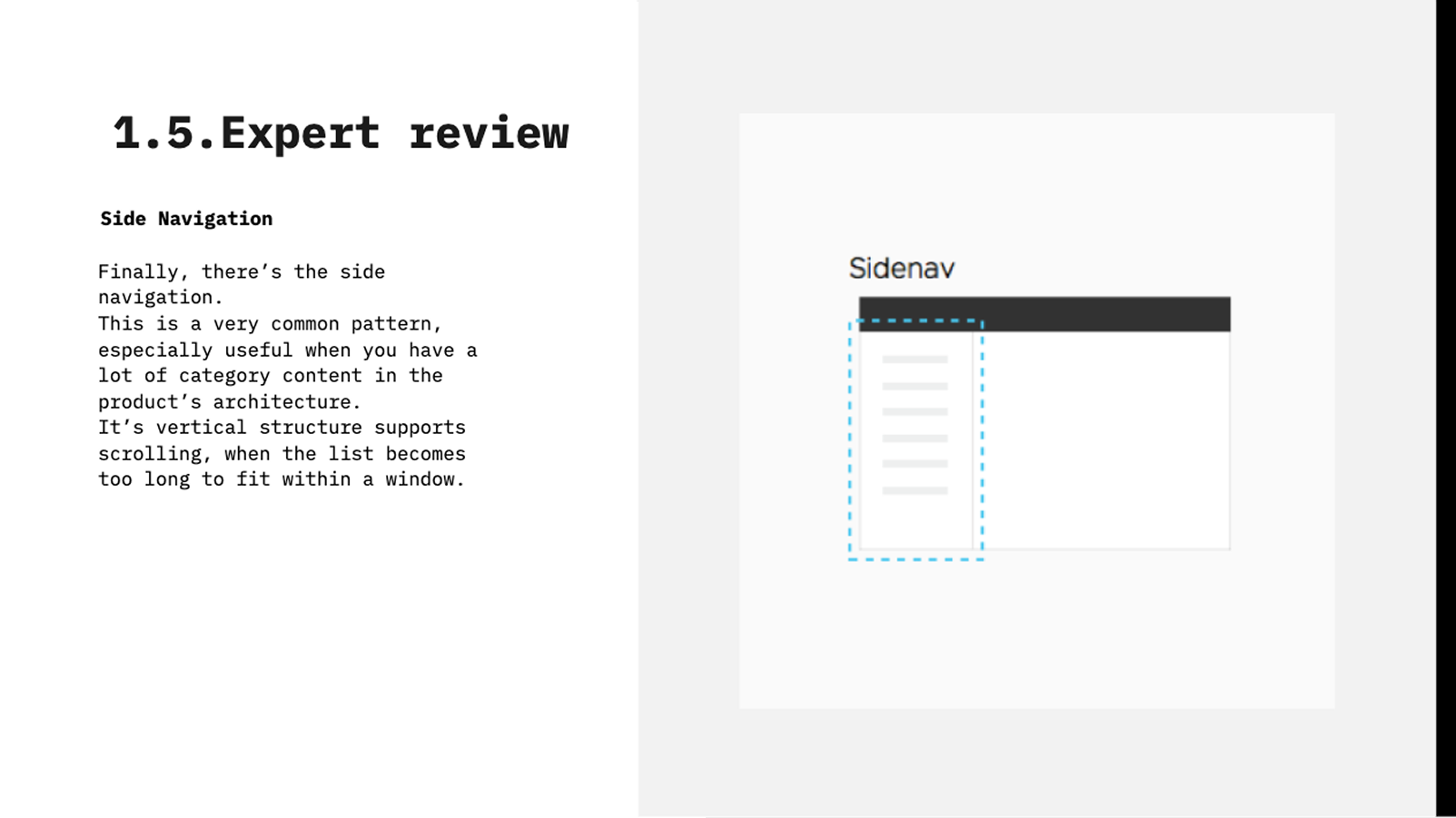
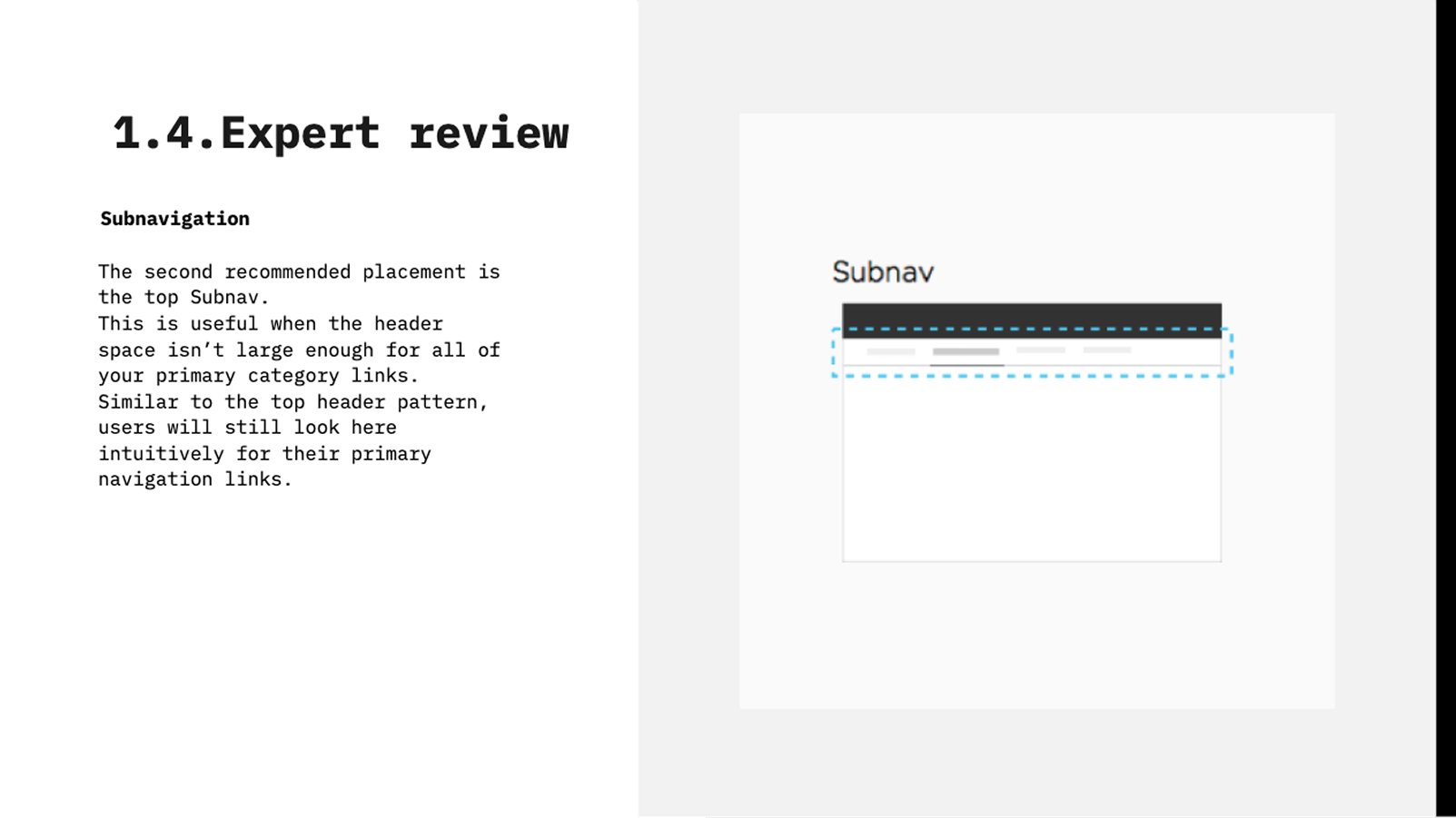
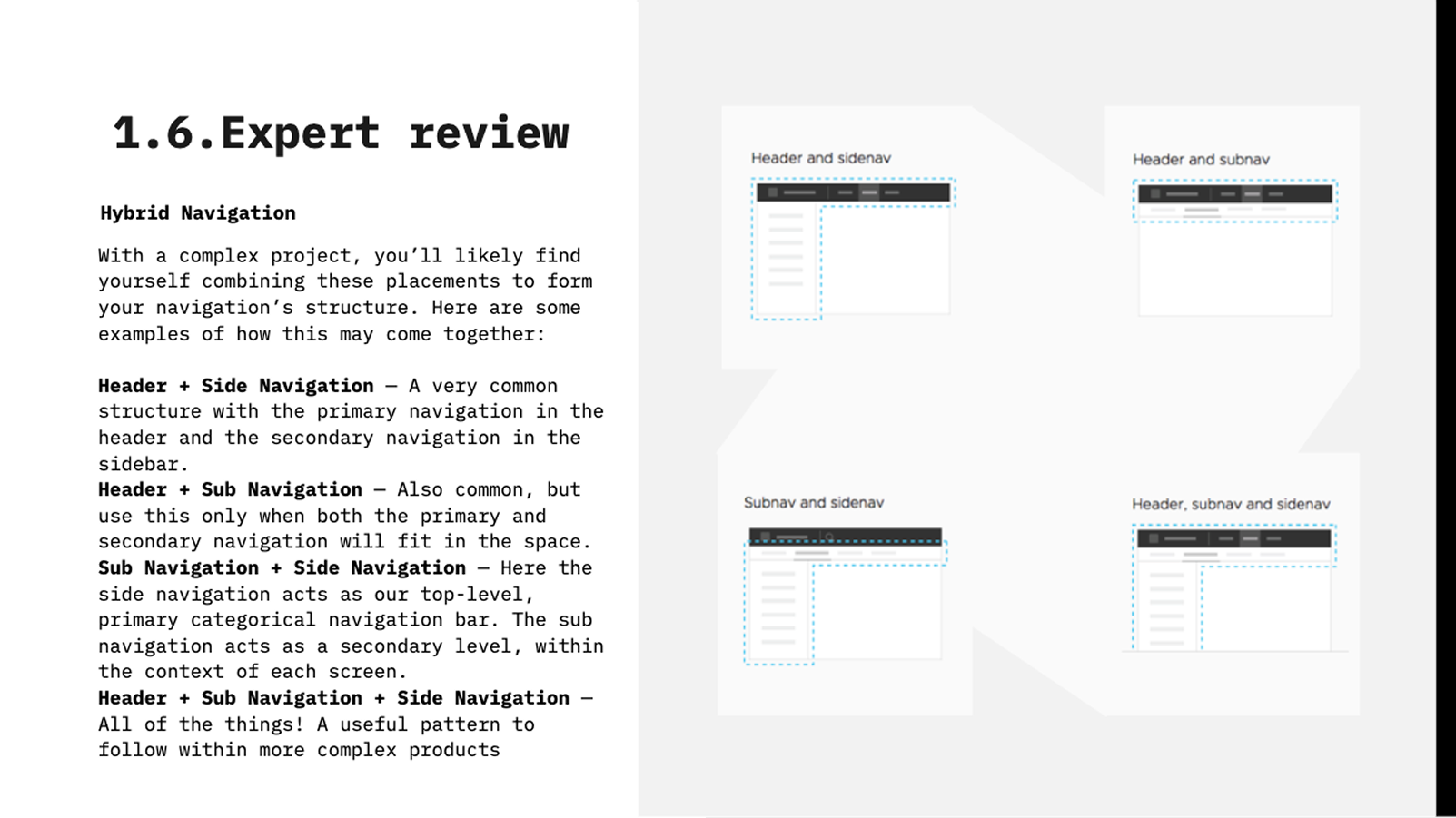
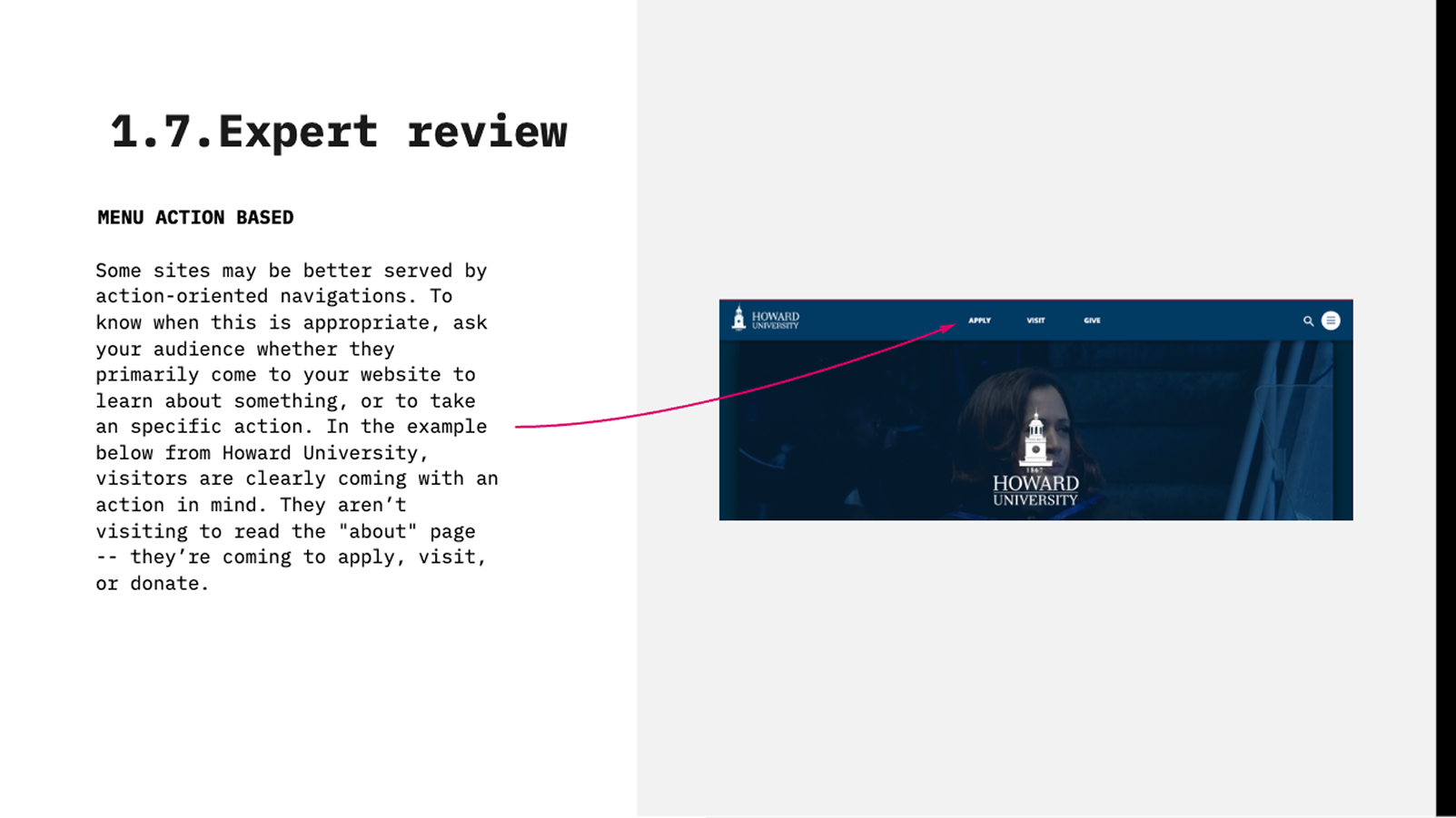
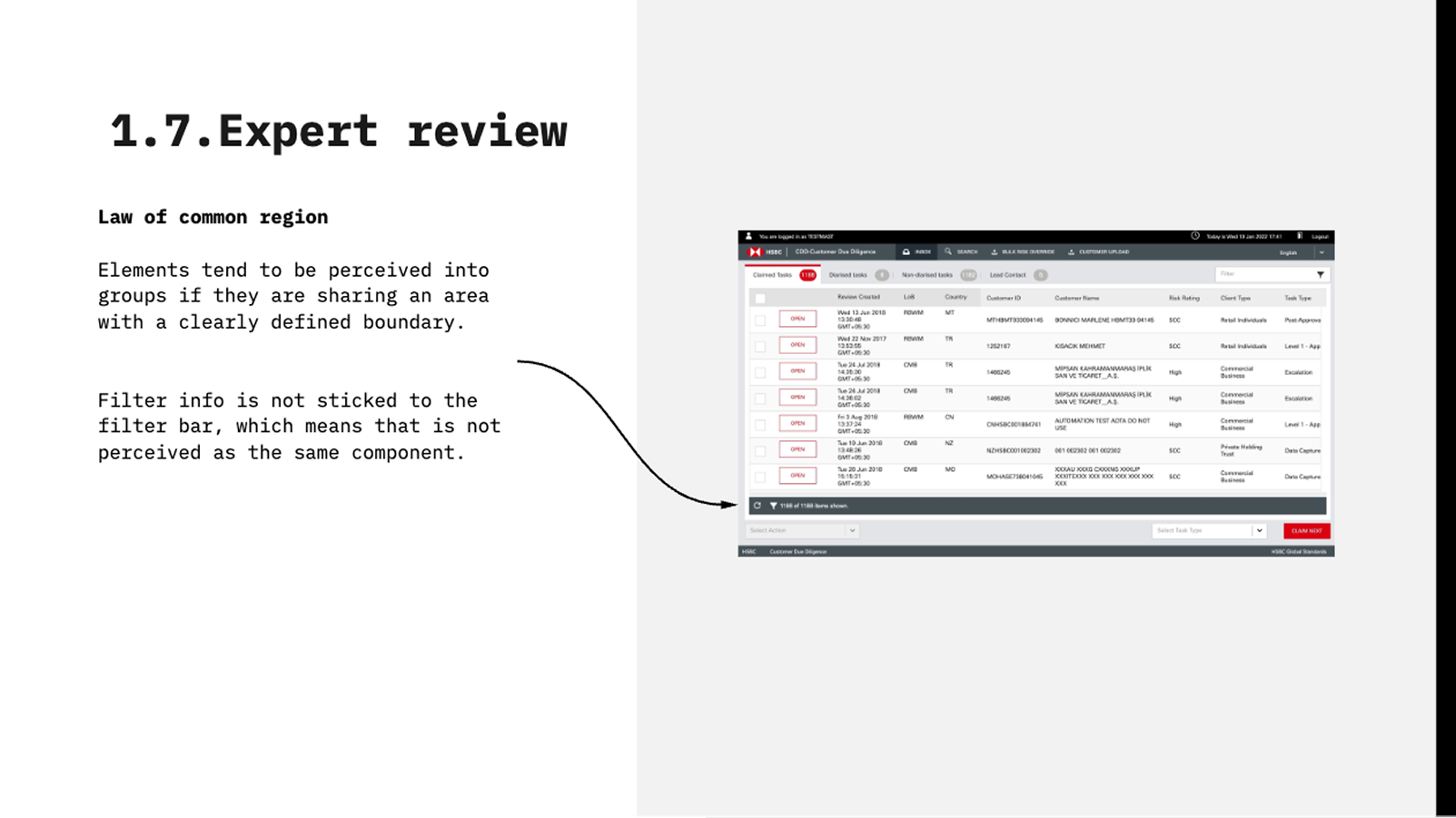
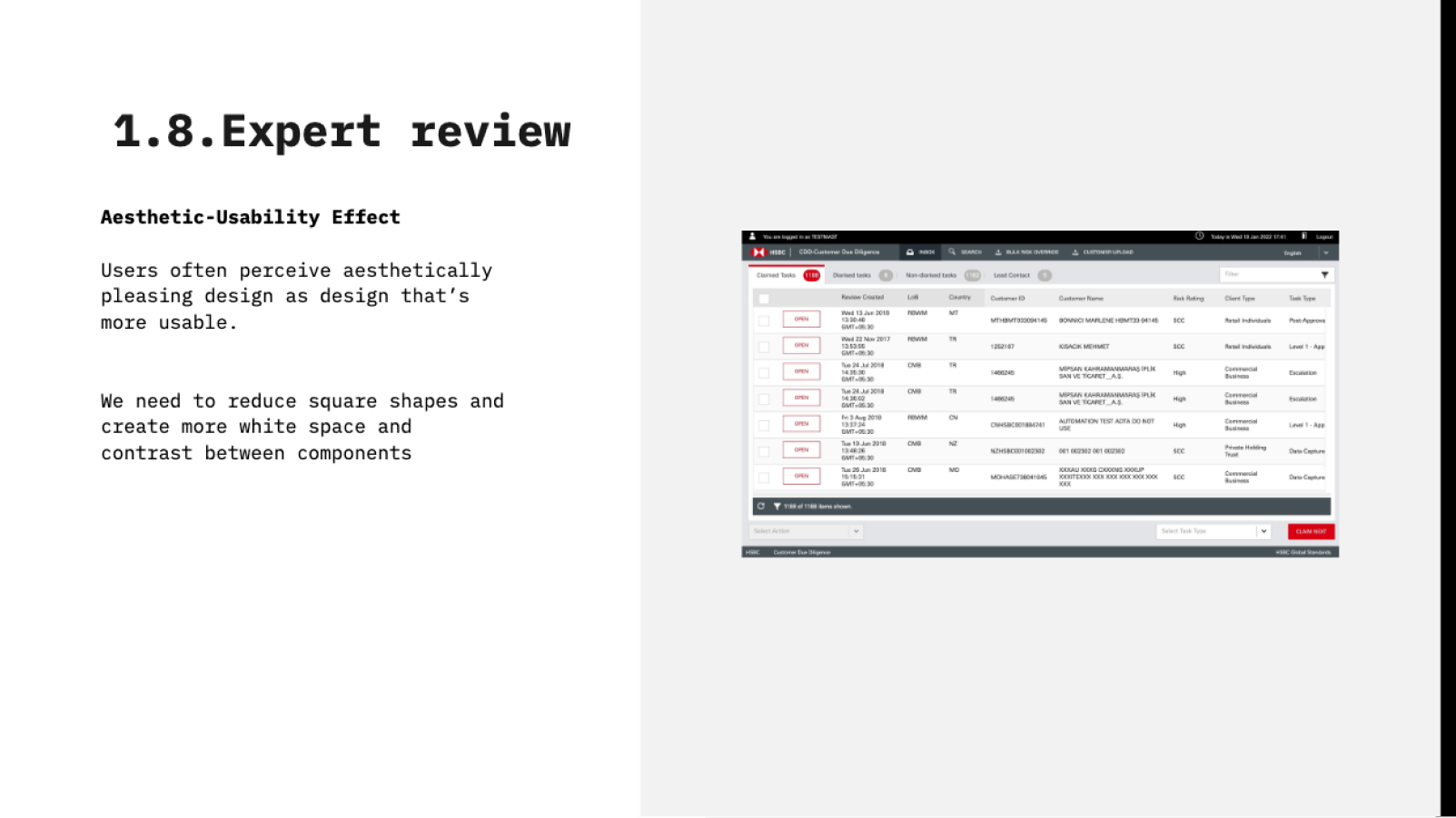
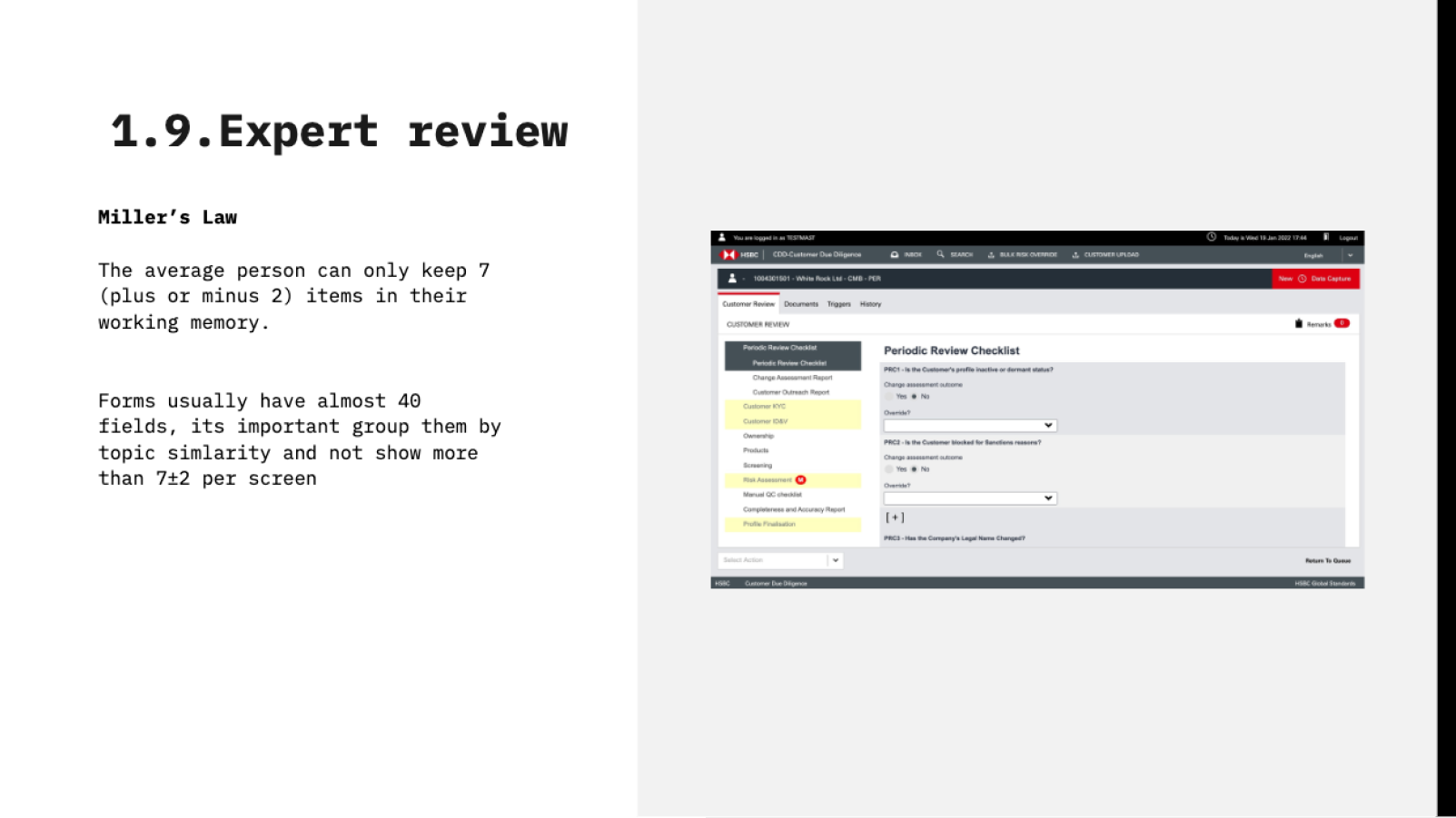
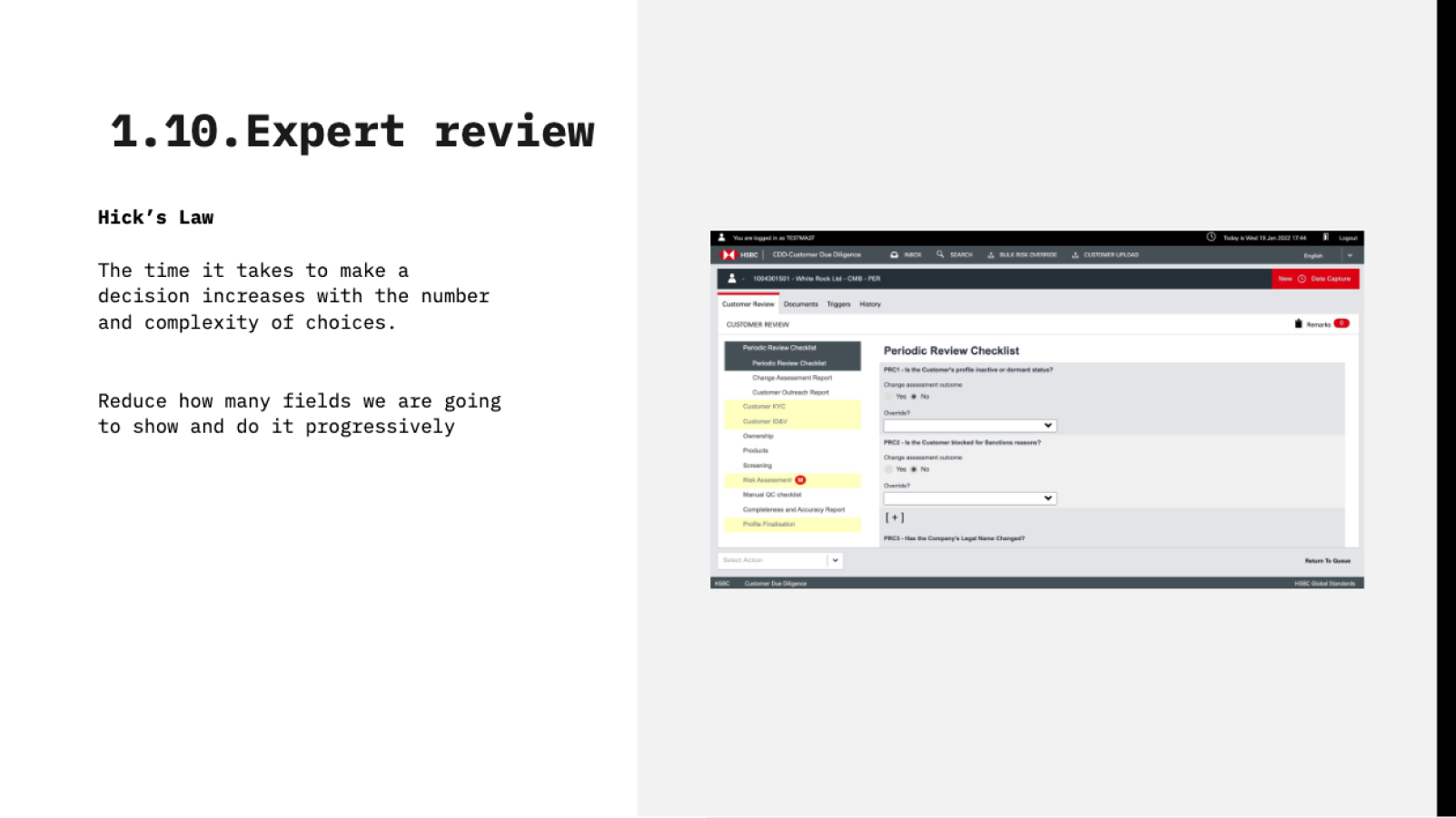
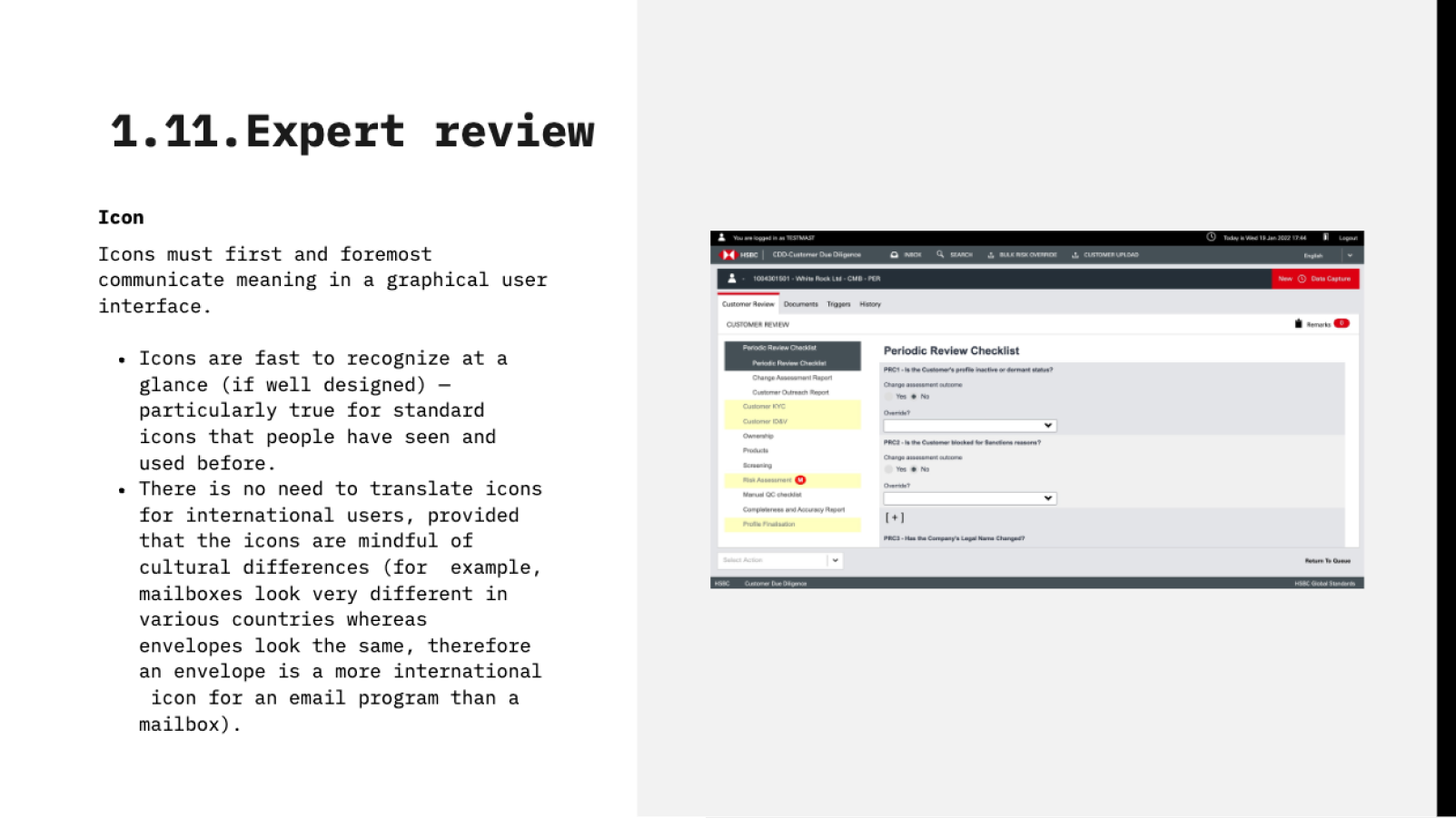
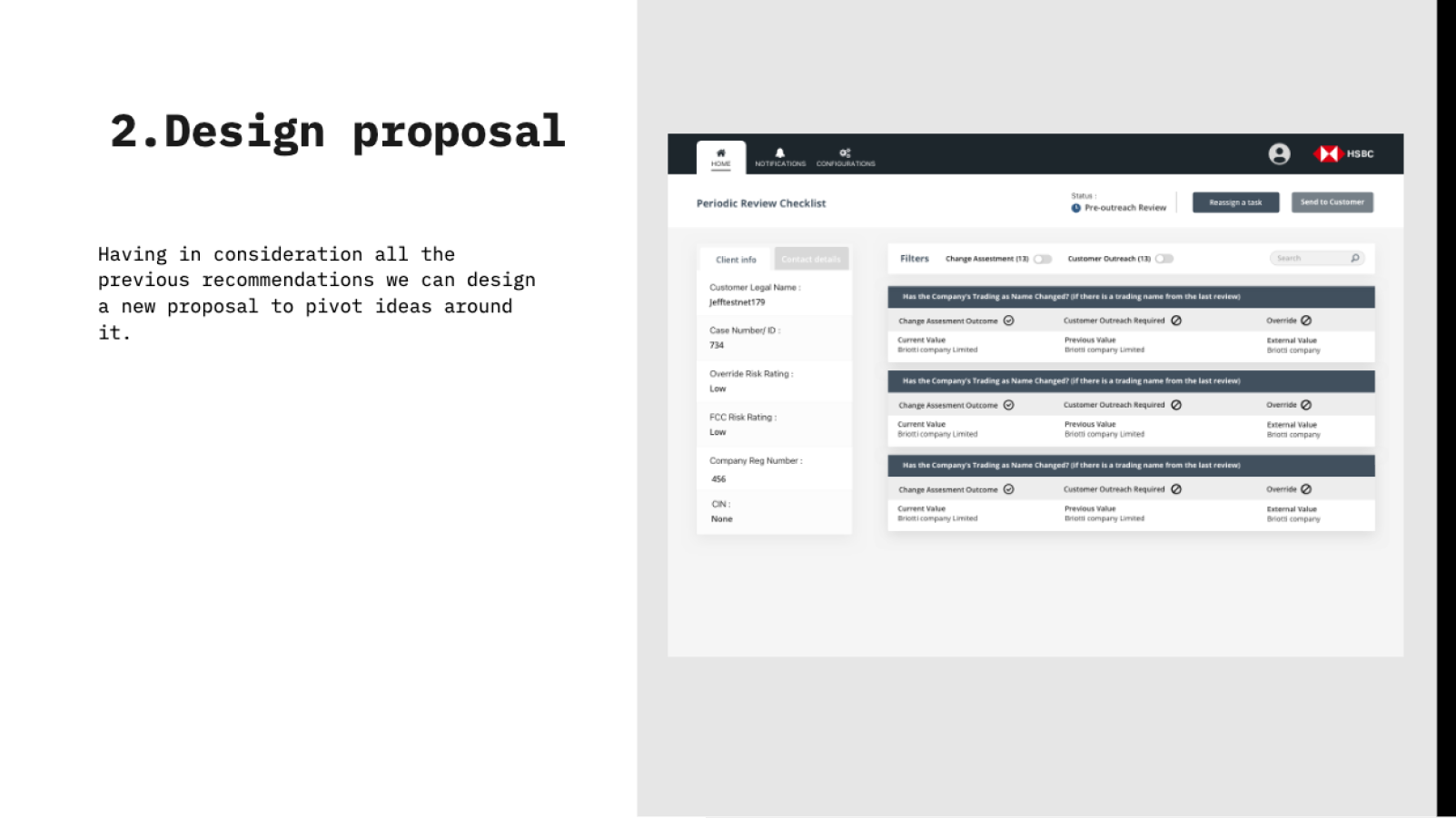
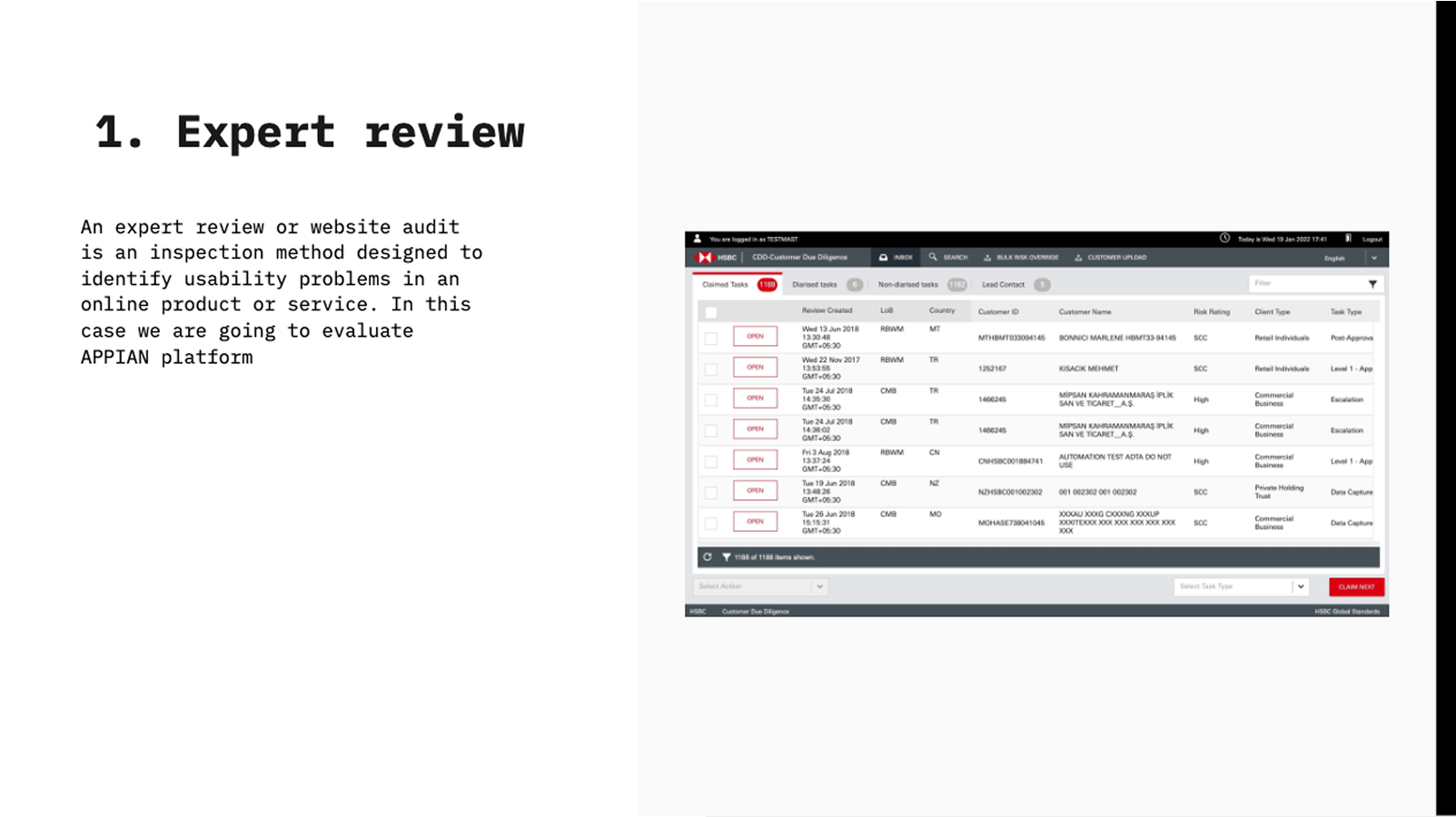
Alongside this work, I reviewed the platform's navigation, filters and form structure. The expert review identified specific interface issues, including disconnected filter feedback and checklists with almost 40 fields. Recommendations covered clearer navigation levels, grouping related questions and progressive disclosure. An illustrative design proposal showed how analysts could review current, previous and external company data together, with client context alongside the checklist.

Final Results

A research report to guide the B2B KYC flow

The three-month engagement delivered an analysis of onboarding friction and a report with actionable recommendations. My contribution gave the team a clearer understanding of the existing process, the assumptions investigated and the changes needed to make corporate KYC easier to follow. The following insights summarize the improvement direction.

Structure the checks around the review task. Long checklists placed a substantial amount of information on screen. Grouping related questions and revealing detail when needed would make the review easier to scan while retaining required checks. The report recommended reorganizing the information, rather than removing compliance requirements to make the flow appear shorter.

Bring evidence and context into the same view. Analysts needed to understand changes in company information before deciding what to confirm or request. The proposal placed current, previous and external values together, with client details available alongside them. The recommendation was to reduce the effort of comparing information across separate parts of the interface.

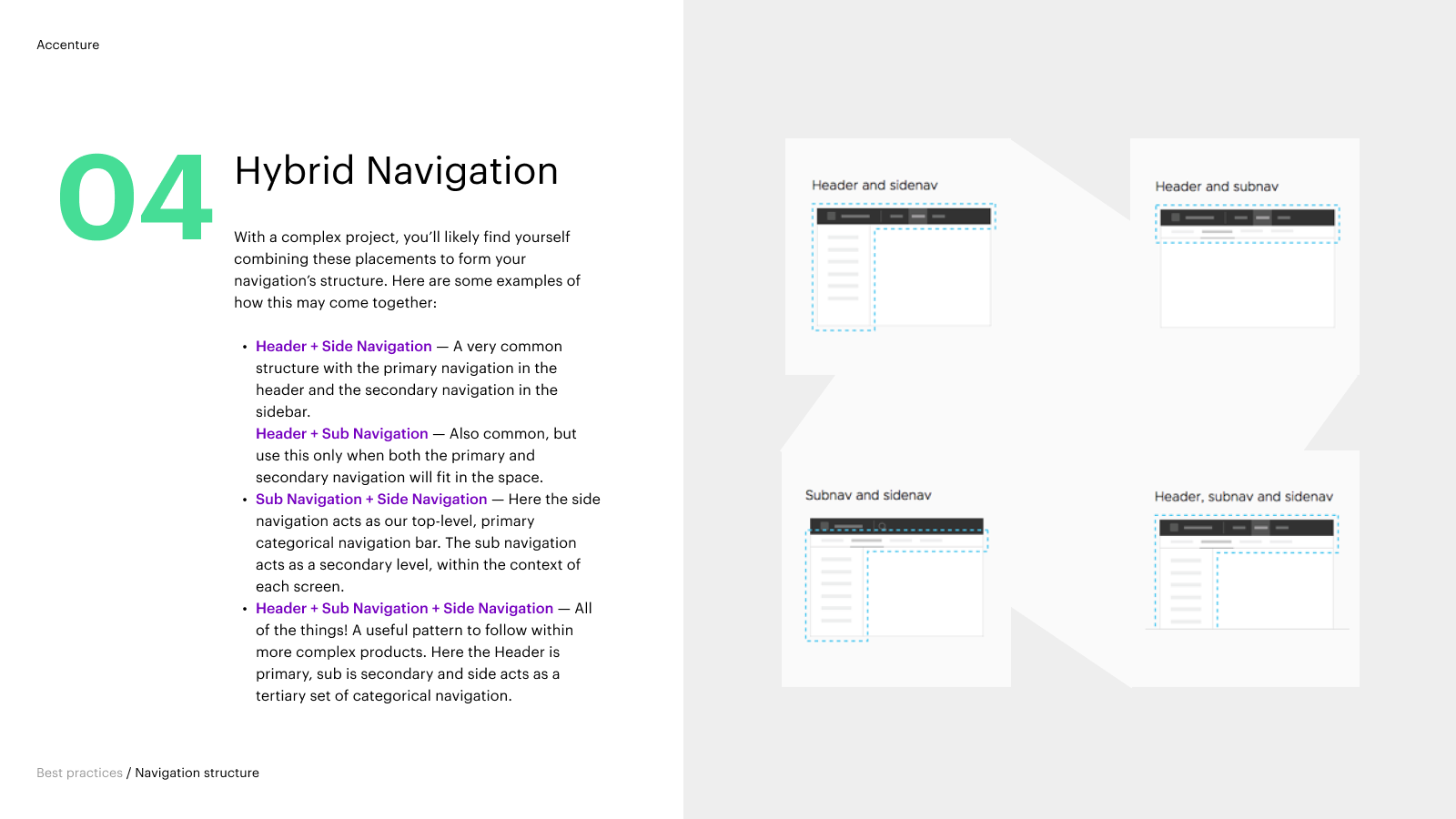
Make navigation and task feedback explicit. The audit found that filter feedback was separated from its controls and navigation needed a clearer hierarchy. Keeping feedback close to the action and distinguishing navigation levels would help analysts understand which information they were viewing and how to continue the review.

Assess onboarding across internal and client-facing steps. The journey mapping connected case preparation with information requests and follow-up. This widened the scope beyond individual screens and framed improvement around the effort required from both analysts and corporate clients. Time per case, rework and client effort were identified as evaluation goals for subsequent changes.

The value of this phase was a research-backed direction for the onboarding flow and concrete items the team could use in later design work. The scope was research and recommendations; the case does not claim a launched redesign or measured post-launch gains.