
SM.ART: a responsive digital-art concept

SM.ART was an early concept for digital artwork that could respond to body signals such as breathing and heart rate. I explored how sensor input, visual change and optional guidance might form a coherent experience across personal devices and physical spaces.

Problem statement

The central design question was whether people would understand why the artwork changed and feel in control of the data driving it. The material shown here is research and concept exploration, not a tested clinical product or a shipped application.

  • Date

    Feb 2020

  • Client Name

    SM.ART

  • Tools

    Figma


Research

From sensor input to visual response

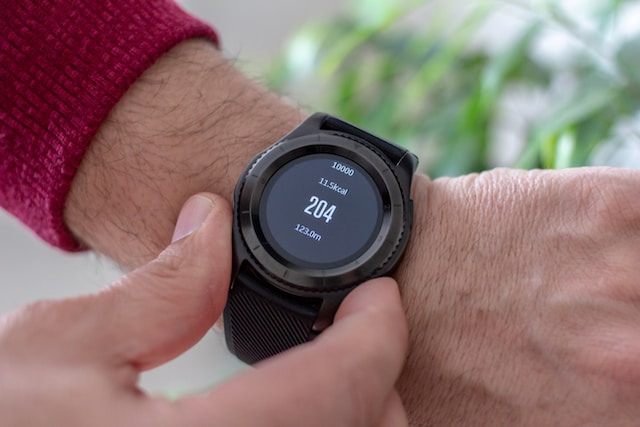
I organized the concept as a simple chain: a device detects a signal, the system interprets it and the artwork responds. This was a way to frame potential interactions, not a claim that every signal listed below was technically validated.

01

Potential inputs

  • Subtle chest movement
  • Heart rate
  • Body micro motion
  • Eye pupil dilatation
  • Eye micro motion
  • Micro changes in skin color
02

Signals to interpret

  • Heart rate
  • Breathing
  • Possible pacing cues, subject to validation
  • Viewer-selected interaction state
03

Artwork response

  • Change the scene in response to input
  • Support a sense of presence

Concept

SM.ART COLLECTIONS

The collection model separated content from interaction. Different artworks could have distinct visual identities while using the same understandable rules for responding to input.

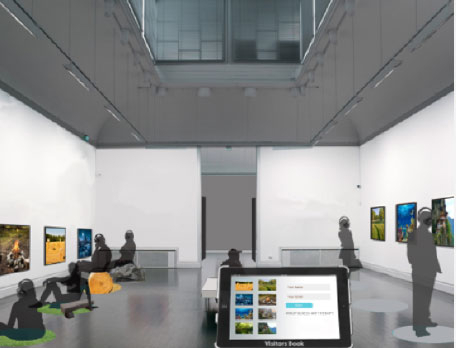
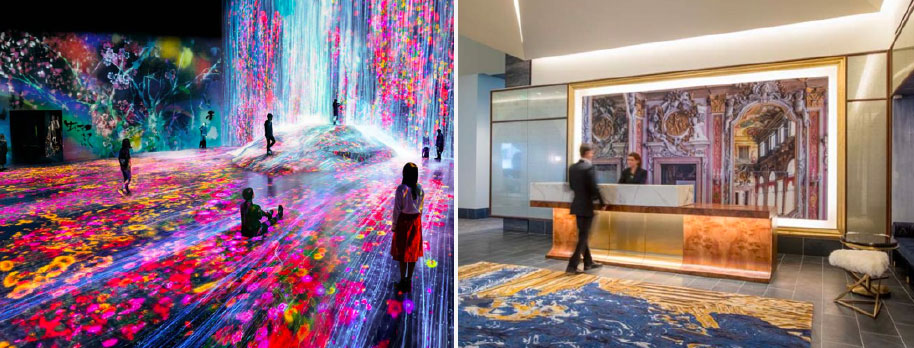
Distribution concept: The imagery explores both personal viewing and installation in hospitality spaces. Authenticated editions and venue partnerships were possibilities under consideration, not delivered outcomes.


Research

Wellness context and boundaries

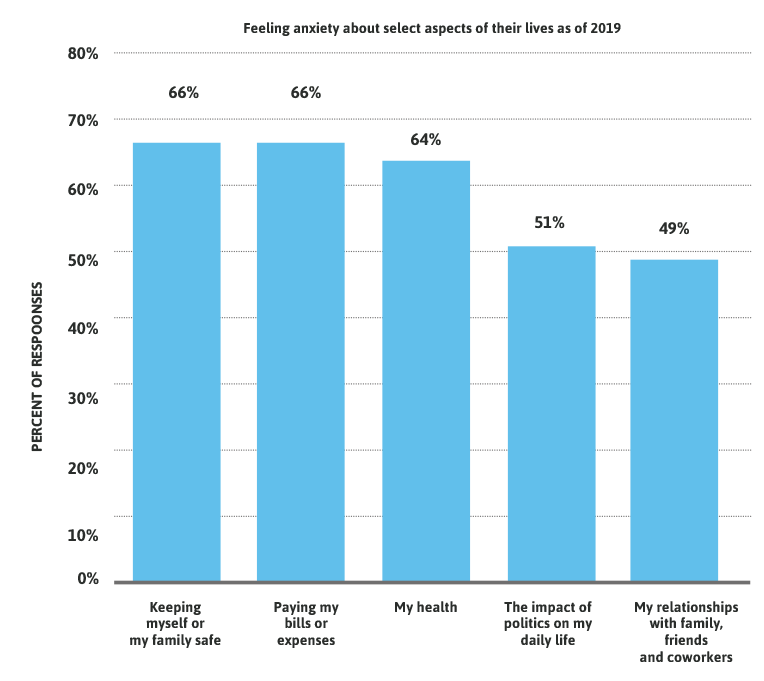
Early research looked at interest in digital wellness experiences. It did not establish that responsive art or meditation could prevent or treat a mental-health condition.

anxiety anxiety

Design considerations

  • Explain what the wearable measures and how those signals affect the artwork.
  • Give users control over whether to connect a device and share sensor data.
  • Make the experience usable without requiring health-related claims.
  • Keep breathing guidance optional and easy to pause or stop.
  • Describe the concept as a wellness experience, not a medical intervention.

Market scans helped the team understand common patterns in meditation and wearable products. The relevant design question was how to make a sensor-driven visual interaction legible and optional, not how to position SM.ART as a substitute for care.

anxiety

anxiety

Interaction challenge

Making responsive art understandable

A changing artwork can feel arbitrary unless users know what drives it. The interface needed to show the connection between a detected signal and a visual response without interrupting the experience.

A simple onboarding flow could explain the role of the wearable, the type of data used and how to start without a connected device.

Users should be able to pause the experience, adjust its intensity and understand what happens to their data. These controls are part of the product concept, not evidence of a clinical effect.

The interface therefore needed to stay quiet during the artwork and make essential controls available when requested. The aim was a comprehensible creative experience with clear limits, rather than a dense dashboard of biometric information.


anxiety

Product definition

What the concept needed to prove

The next step was to test whether people understood the sensor-to-art interaction, felt comfortable with the data request and could use the experience without guidance. Those questions are separate from any claim about health outcomes, which this project did not evaluate.


stat
stat
stat

Market information

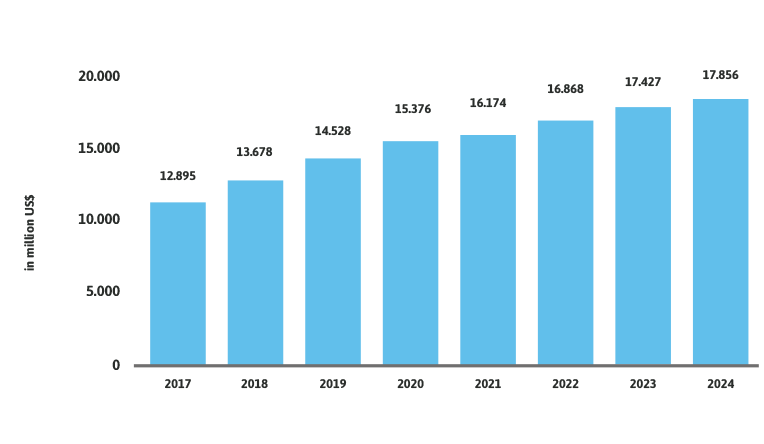
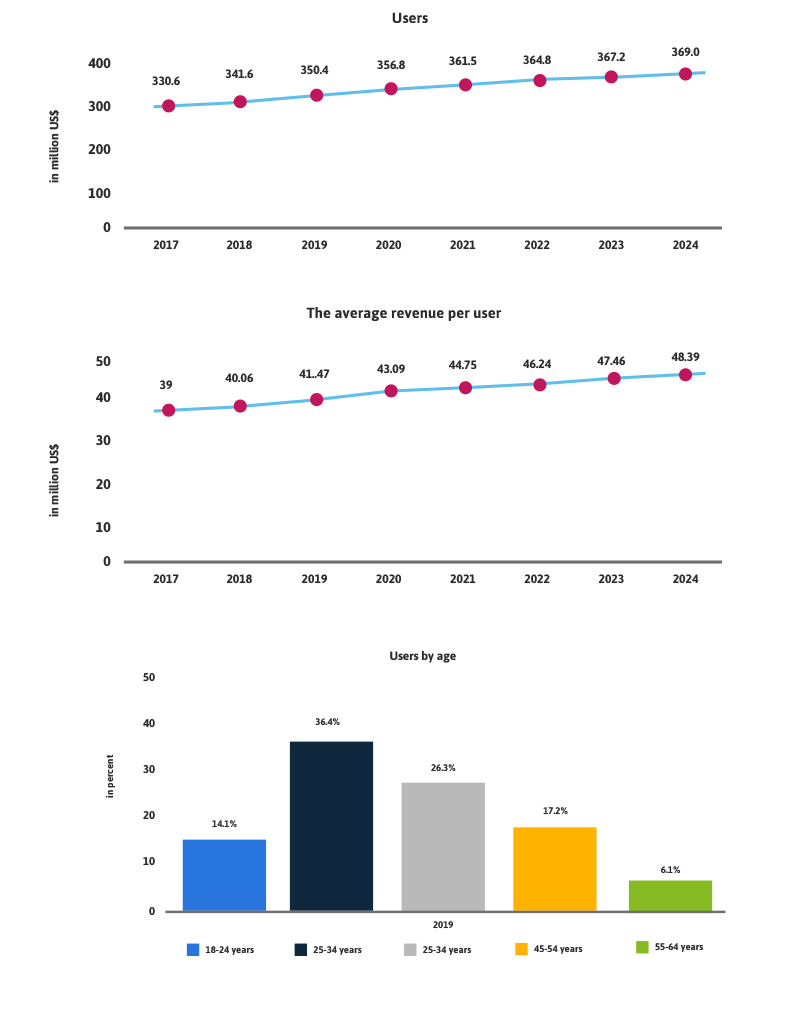
Wearable context in 2020

  • These charts were part of the project's 2020 market scan and are historical context, not current market figures.
  • The concept defined a possible link between sensor input and visual response.
  • The collection imagery explored both personal and venue-based contexts.
  • Comprehension, comfort with data sharing and repeat use remained questions to test.
  • The market scan does not establish commercial demand or a health outcome.